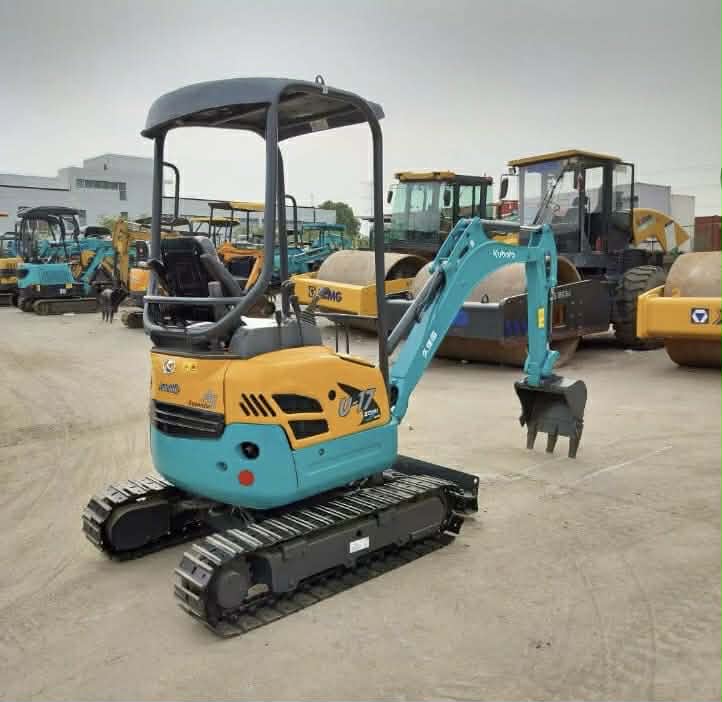
A small excavator (mini excavator) is a compact, hydraulic machine used for digging, trenching, landscaping, and light construction—especially in tight or residential spaces. Here are the key details you should know:
Key Features and Benefits
- Size & Access: Ideal for small construction projects, residential work, and tight spots.
- Operating Weight: Ranges from roughly 0.7 to 8.5 tonnes.
- Versatility: Common attachments include buckets, hydraulic thumbs, and hammers.
- Comfort & Control: Modern units offer cabs with ergonomic controls, LED lights, and high visibility.
- Performance: Models like the Bobcat E35 feature over 10 feet of dig depth.
Common Applications
- Landscaping and Grading: Site preparation and leveling.
- Utility Work: Installing water lines, electrical conduit, or drainage.
- Demolition: Light demolition in residential areas.
- Agriculture: Fencing and trenching.
Common Features
- Independent Boom Swing: Allows digging alongside walls or obstacles.
- Expandable Under-carriage: Improves stability and allows access through narrow openings (e.g., 1 meter wide).
- Retractable/Foldable Blade: For backfilling and added stability.
- Safety Options: ROPS/FOPS certified cabins.
Common Models and Examples
- Cat Mini Excavators: Known for power in compact sizes (1-10 metric tons).
- Bobcat E-Series: Includes popular models like E35, E48, and E60.
- Kubota U18-5: Known for 1.8-ton capacity, comfort, and safety features.
- Typhon Machinery: Offers budget-friendly models (e.g., 1-2.7 ton) with Kubota engines